
Catch a Weekend Escape Without a Car
Start Smart: Planning That Fits Between Friday and Monday
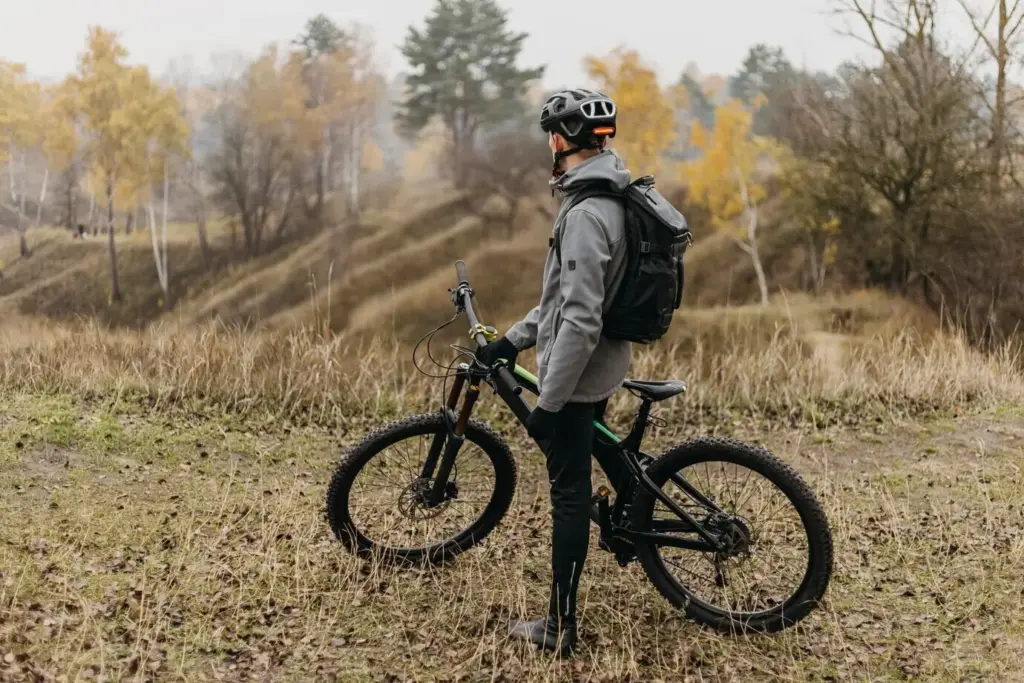
Map the Ride to the Ridge

Choose Mileage That Matches the Clock
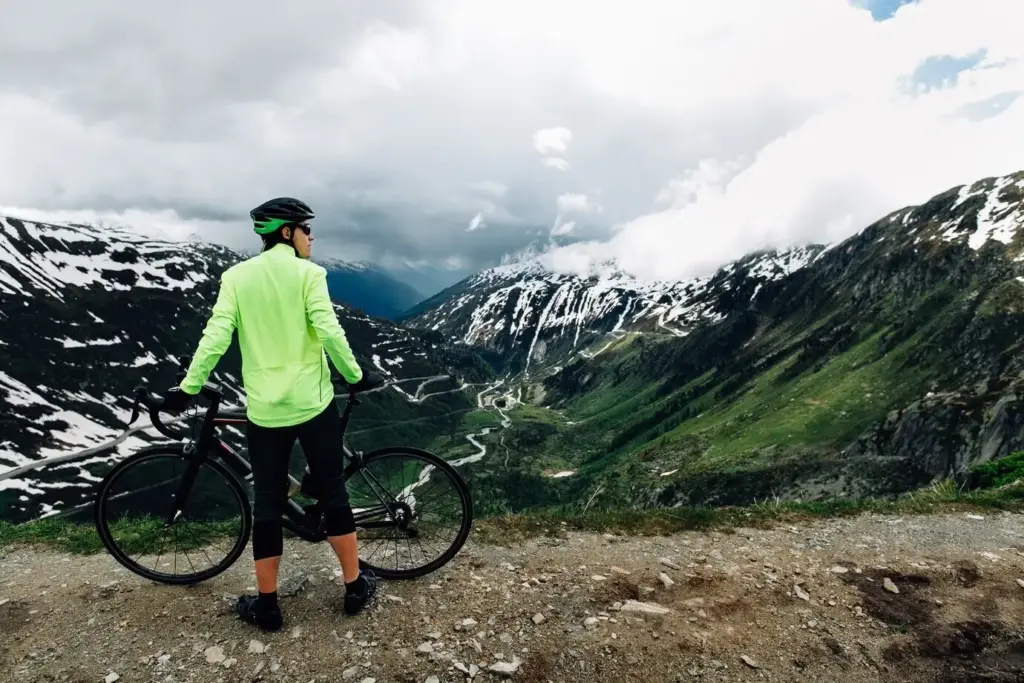
Bundle Permits, Tickets, and Backups
Pack Light, Move Fast, Ride Far

The Compact Kit That Does It All
Clothing for Platforms, Peaks, and Cafés
Tiny Comforts That Feel Huge
Timing, Navigation, and Smooth Connections
Depart Late, Arrive Ready
An evening departure often means quieter platforms, calmer buses, and golden-hour trail approaches. Eat dinner beforehand to avoid food lines. Pre-fill water so you can step onto the trail without searching faucets. With energy intact and daylight fading, you’ll settle into a rhythm, set camp deliberately, and drift off confident your return schedule will stay comfortably within reach.
Offline Maps and Old-School Backups
Download the area for offline use, and mark waypoints for stops, water sources, and exit points. Battery anxiety disappears when you carry a tiny paper map and a basic compass. Snap photos of posted trail signs and junction boards. Redundancy makes navigation calm and quick, freeing your attention for trail chatter, birdsong, and the soft crunch of evening gravel.
No-Cook Dinners with Real Flavor
Water Strategies Around Transit Corridors
Morning Rituals Without Heavy Stoves
Safety, Etiquette, and Leave No Trace on a Short Clock
Weather Windows and Micro Risk Management
Study hourly forecasts and wind maps before boarding. On short adventures, turning around early is not failure; it’s wisdom that protects future weekends. Pack an extra warm layer and emergency bivy even on bluebird days. Share your itinerary with a friend. Clear boundaries help you adapt confidently when clouds build, trail ice lingers, or daylight fades faster than expected.
Respect Riders, Neighbors, and Wildlife
Keep packs compact and clean to avoid crowding strangers. Offer seats to those who need them. Near trailhead neighborhoods, keep voices low during late arrivals and early departures. On the trail, yield with a smile, protect quiet pockets, and observe animals from a respectful distance. Courtesy creates goodwill that keeps access open and communities welcoming to future wanderers.
Solo Smarts and Shared Check-Ins
If traveling solo, choose well-marked routes and popular connections. Text your plan and expected return to a buddy, then confirm when you’re back. Carry a whistle and a small battery bank. Join station benches where visibility is high. Independence and community coexist beautifully when you balance privacy with prudent communication, ensuring freedom never outpaces thoughtful safety habits.
A Real-World Weekend Itinerary to Copy and Tweak
{{SECTION_SUBTITLE}}
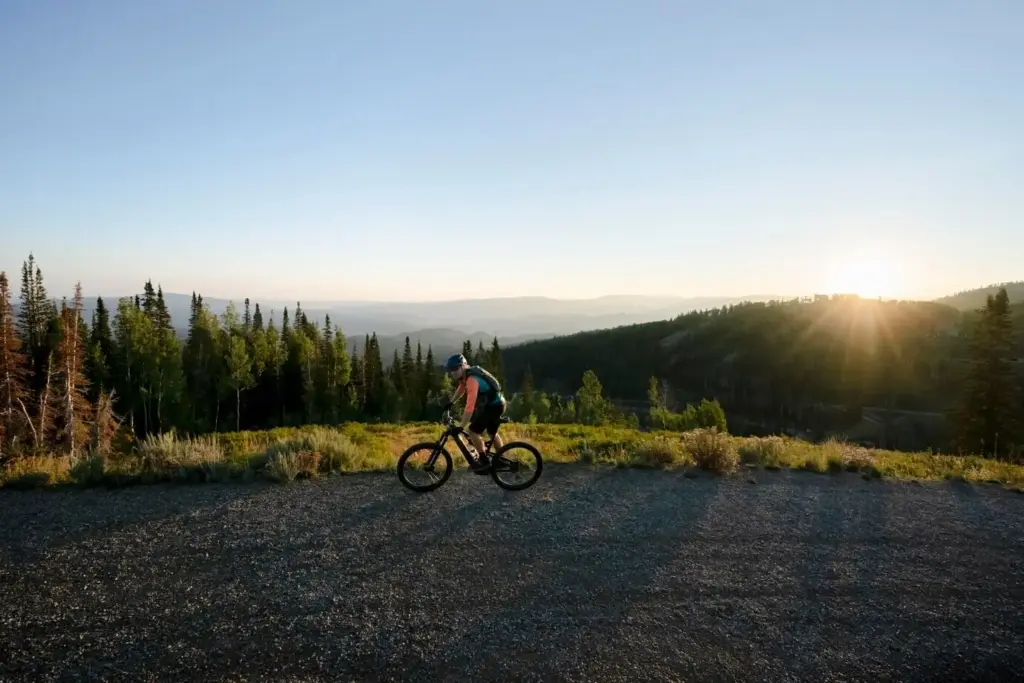
Friday Evening: Platform to Twilight Trail
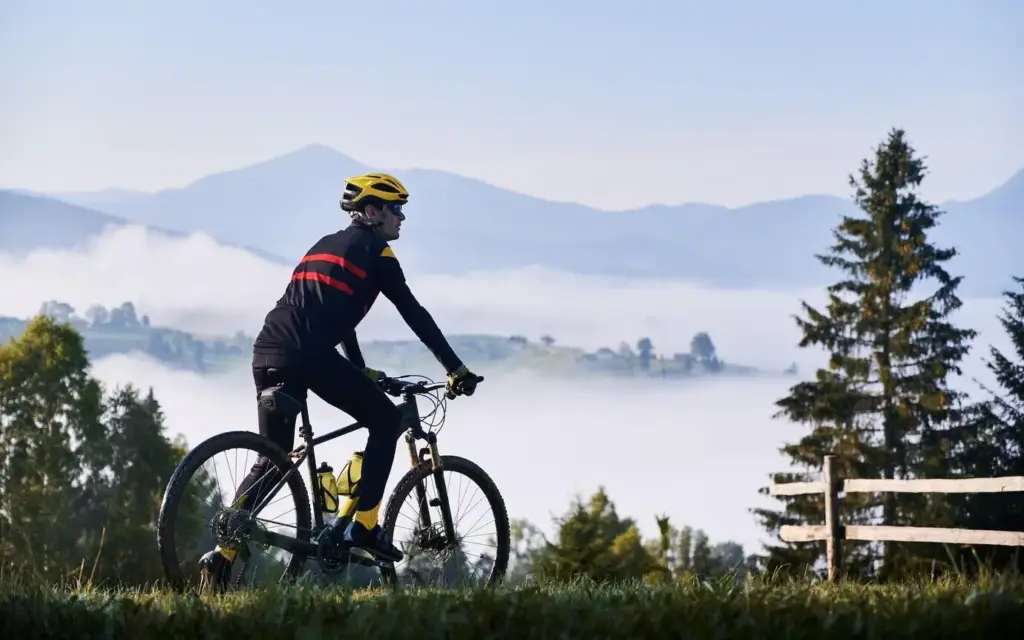
Saturday: A Summit, a Swim, and a Small-Town Café
Share, Connect, and Keep the Momentum
All Rights Reserved.