
Step Off the Train, Onto the Trail

Today we dive into Trailheads by Transit: Urban Metro Stops with Direct Access to Hiking Routes, celebrating cities where nature begins the moment the doors slide open. Discover practical planning tips, real station examples, safety insights, and community wisdom to make car‑free adventures easy, restorative, and repeatable. Share your favorite station approaches, last‑mile shortcuts, and seasonal strategies so fellow readers can follow in your footsteps without burning fuel or time.

How to Discover Trailheads From Metro Platforms
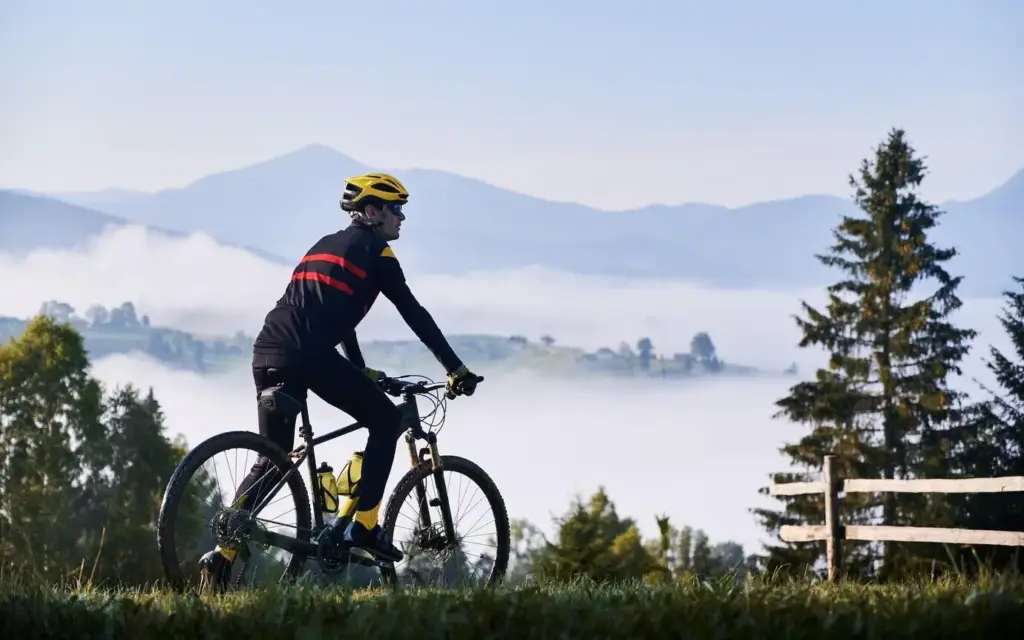
Finding a path from a station to a hillside often starts before you tap your card. Combine official transit maps with topographic layers, park websites, and crowd‑sourced reports to locate reliable access points. Look for signage in mezzanines, stairway shortcuts, and green corridors visible on satellite imagery. Double‑check weekend service changes and construction notices to avoid detours that turn a quick nature escape into a frustrating shuffle along busy roads.

Planning a Seamless Car‑Free Hiking Day

Transit hiking rewards foresight. Sketch a window that respects train frequency, daylight, and your preferred pace, then build a turn‑back plan. Pack compact layers and water, avoid messy food on crowded cars, and bookmark alternate return routes in case weather, maintenance, or fatigue alters your ambitions.

Stations Where Nature Greets the Platform

Some stations sit beside greenbelts, ridges, or creek corridors, creating effortless beginnings. Below are three standouts that reward curiosity and good shoes. Distances and conditions change, so confirm details, but each offers straightforward access that keeps your adventure focused on birdsong, views, and unhurried steps.

Navigate Elevators, Ramps, and Alternative Exits

Check real‑time elevator status before departure, and note which exits meet sidewalks without curbs. Photograph route markers to help returning travelers. If a lift is out, identify the nearest accessible station or bus bridge so the journey remains smooth, dignified, and pleasantly predictable.

Choose Surfaces and Grades That Match the Group

Wide boardwalks, compacted gravel, and paved promenades keep conversation easy while protecting joints and wheels. Study grade charts to avoid punishing climbs at trip’s start. Pause often at overlooks, and celebrate progress rather than distance, making room for different abilities, energy levels, and attention spans.

The Carbon and Congestion Dividend

Transit’s high passenger capacity spreads energy use efficiently, and station‑to‑trail access reduces parking demand near sensitive habitats. Even occasional car‑free outings signal demand for better sidewalks and crossings, inviting cities to invest where it counts: safe, shaded, human‑scale links between platforms and parks.

Health, Focus, and Micro‑Recovery

Green edges within transit reach offer brief restoration without the logistical weight of a road trip. A few miles among trees improve sleep, rebalance attention after screen time, and create stories to share, reinforcing social ties that make continued stewardship feel meaningful and doable.

Respectful Use Protects Fragile Places

Stay on marked paths, pack out trash, and give wildlife space. Choose off‑peak trains and less‑traveled approaches to spread impact. If rain creates mud, switch to paved loops, proving that flexibility and curiosity can preserve trail conditions and neighbor goodwill for everyone.
Share Your Station‑to‑Trail Wisdom

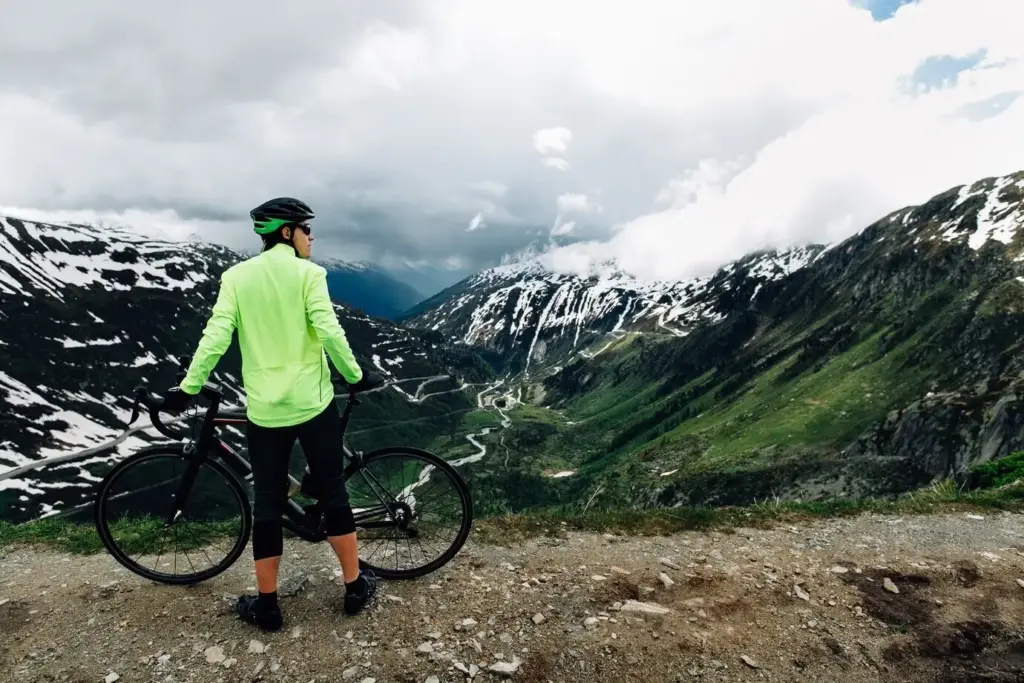
Your experience can unlock new adventures for others. Post your favorite metro‑adjacent routes, stair shortcuts, shade tips, and seasonal cautions in the comments. Subscribe for future explorations, and invite friends to try a car‑free hike together so confidence grows and collective knowledge multiplies across neighborhoods.
Zakofeleminaliroxo
Privacy Overview

This website uses cookies so that we can provide you with the best user experience possible. Cookie information is stored in your browser and performs functions such as recognising you when you return to our website and helping our team to understand which sections of the website you find most interesting and useful.